

Collecting payments should not be one of the hardest parts of running a daycare or school.
But for many operators, it still is.
There are registration fees, tuition, deposits, late pickup charges, camp fees, one-time invoices, and the occasional need to take a payment over the phone. When the system is clunky, staff waste time chasing balances, fixing failed payments, and answering parent questions that could have been avoided.
The good news is that payment processing has come a long way.
Today, Canadian daycares and schools can use tools like virtual terminals, secure card-on-file payments, recurring billing, and better pricing structures to make life easier for both families and administrators. The right setup can save time, reduce payment issues, and create a smoother experience from registration to monthly billing.
For operators, this is not just about getting paid. It is about reducing admin work, improving cash flow, and building a system that feels professional and easy for families to use.

Why credit card payment setup matters more than most daycare operators think
Many childcare centres and schools still handle payments in a very manual way.
That usually looks like this:
- Cards taken over the phone
- Follow-up emails for unpaid balances
- Parents needing to update card details manually
- Office staff re-entering payments one by one
- Declined cards creating extra work every month
When that happens, billing becomes a task your team has to chase instead of a process that runs smoothly in the background.
A better setup can help you:
- Collect recurring fees more consistently
- Reduce late or missed payments
- Keep card information more secure
- Cut down manual admin time
- Make payment collection easier for families
What is a virtual terminal?
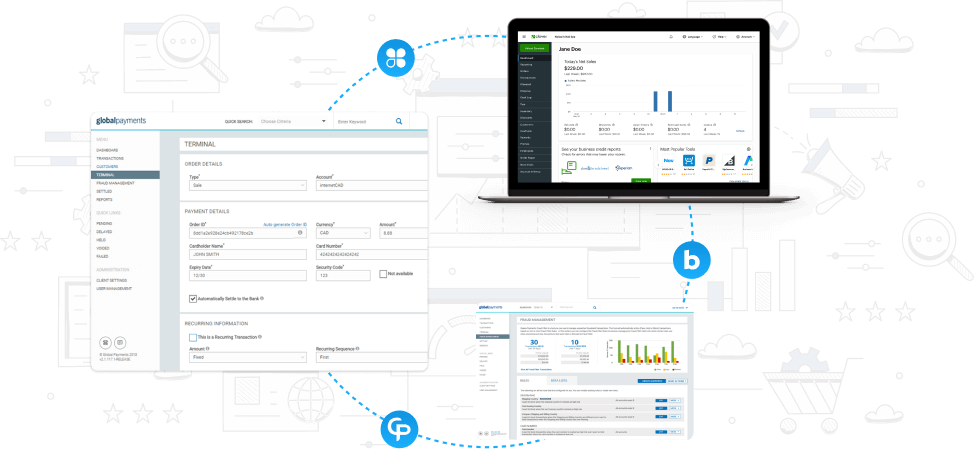
A virtual terminal is a simple tool that lets your office staff accept a payment from a computer when the parent is not standing in front of you.
This is useful for:
- Registration deposits
- One-time balances
- Phone payments
- Special program fees
- Manual payments that need to be processed by the office
For many daycares and schools, a virtual terminal is one of the easiest upgrades because it gives staff a clean way to take payments without relying on paper forms or informal workarounds.
That said, it should not be the only payment method in your system. Virtual terminals are best for exceptions and one-off situations, not as the main way you collect monthly fees.

Why secure card-on-file payments matter
If you bill families more than once, storing payment details securely can make a big difference.
This is where tokenization comes in.
Tokenization turns card information into a secure digital reference instead of storing the raw card number in a way that creates more exposure. In simple terms, it helps make stored payment information safer and more useful for future billing.
For a daycare or school, that can mean:
- Fewer payment interruptions
- Fewer calls to update expired cards
- A smoother recurring billing process
- A better experience for parents
This matters because parents want convenience. They do not want to re-enter their card details every month or deal with avoidable billing issues.
Why recurring billing is such a big win
Recurring billing lets a parent or customer authorize payments on a schedule, such as monthly tuition or regular program fees.
For schools and childcare operators, this can be one of the most helpful improvements you make.
Instead of sending reminders every month and waiting for families to pay manually, you create a system that is more predictable and easier to manage.
Benefits of recurring billing include:
- More consistent collections
- Less follow-up from staff
- Better cash flow visibility
- Fewer missed payments
- Easier payment experience for families
Recurring billing also looks more professional. It gives your operation a cleaner process and reduces the stress that comes from collecting payments in a piecemeal way.
Smarter pricing can matter too
Many operators focus only on whether they can accept cards.
A better question is whether their payment setup is working in the most efficient way possible.
In Canada, pricing can be affected by several factors, including:
- Whether a transaction is in person or not
- Whether a card is stored securely for future use
- Whether payments are recurring
- How the merchant account is set up
- Whether the business qualifies for certain lower-cost categories
This is one reason it helps to work with a provider that understands the details behind how payments are processed, not just how to open a merchant account.
A practical perspective from CleverPays
CleverPays.ca works with Canadian businesses that want to simplify payment processing and better understand their processing setup. For childcare centres and schools, that often means helping operators review how they take payments, how they store cards on file, and whether their billing process is creating unnecessary work for staff or friction for families.
CleverPays is led by Elie Haddad, a Montreal-based payment processing specialist focused on helping Canadian businesses build smoother payment workflows and uncover opportunities for better efficiency.
For daycares and schools, the biggest improvements often come from simplifying the process: using a virtual terminal for one-off office payments, secure card-on-file billing for convenience, and recurring payment tools for regular tuition and program fees.
For operators who want help reviewing their setup, CleverPays can serve as a Canadian payment processing resource.
Should you add a credit card surcharge?
This is a sensitive topic, especially when you are dealing with parents and tuition.
Outside Quebec, some Canadian businesses may choose to apply a surcharge to eligible credit card transactions, subject to the rules that apply to their processor and card network. In practice, many businesses refer to a maximum of 2.4%.
In Quebec, charging an extra fee simply because a customer pays by credit or debit card is generally not allowed.
For most daycares and schools, the better first move is usually not to add a surcharge.
A better first move is to:
- Review your pricing structure
- Improve how recurring billing is set up
- Reduce manual payment handling
- Make better use of secure stored-card tools
- Create a smoother collection process overall
In many cases, the operational savings are just as important as the rate itself.
What daycares and schools should ask their payment provider
If you are reviewing your payment setup, ask these simple questions:
- Do we have a virtual terminal for office staff?
- Can we securely store cards on file?
- Do you support recurring billing for tuition or regular fees?
- What happens when a recurring payment fails?
- Are we set up in a way that helps us avoid unnecessary processing costs?
- Can you help us understand our monthly statements clearly?
- Are there ways to make payment collection easier for families?
If your current provider cannot answer those questions clearly, it may be worth getting a second opinion.
Final thoughts
Parents want simple payments.
Staff want less admin.
Operators want better cash flow and fewer billing issues.
That is why modern payment processing matters.
For Canadian daycares and schools, the right setup is usually a mix of:
- A virtual terminal for office payments
- Secure card-on-file tools
- Recurring billing for regular fees
- Better visibility into rates and transaction types
When those pieces are working together, collecting payments becomes easier for everyone.
FAQ with CleverPays
What is a virtual terminal?
A virtual terminal is a browser-based tool that lets staff manually enter card payments from a computer, usually for phone payments, deposits, or one-time balances.
What is tokenization?
Tokenization is a secure way of storing card information using a digital token instead of the raw card number. This helps make stored-card billing safer.
Why is recurring billing useful for daycares and schools?
Recurring billing helps collect tuition and regular fees automatically on a schedule, which reduces manual follow-up and makes cash flow more predictable.
Can better payment setup reduce admin work?
Yes. A cleaner setup can reduce failed payments, manual entry, follow-up emails, and time spent fixing billing issues.
Should a daycare or school add a credit card surcharge?
That depends on the province, card network rules, and the kind of customer experience you want to create. In many cases, improving the payment setup first is a better move than adding a surcharge.
Why do families care about payment processing?
Because they want payments to be easy, secure, and predictable. A smooth billing process creates less frustration and fewer surprises.


